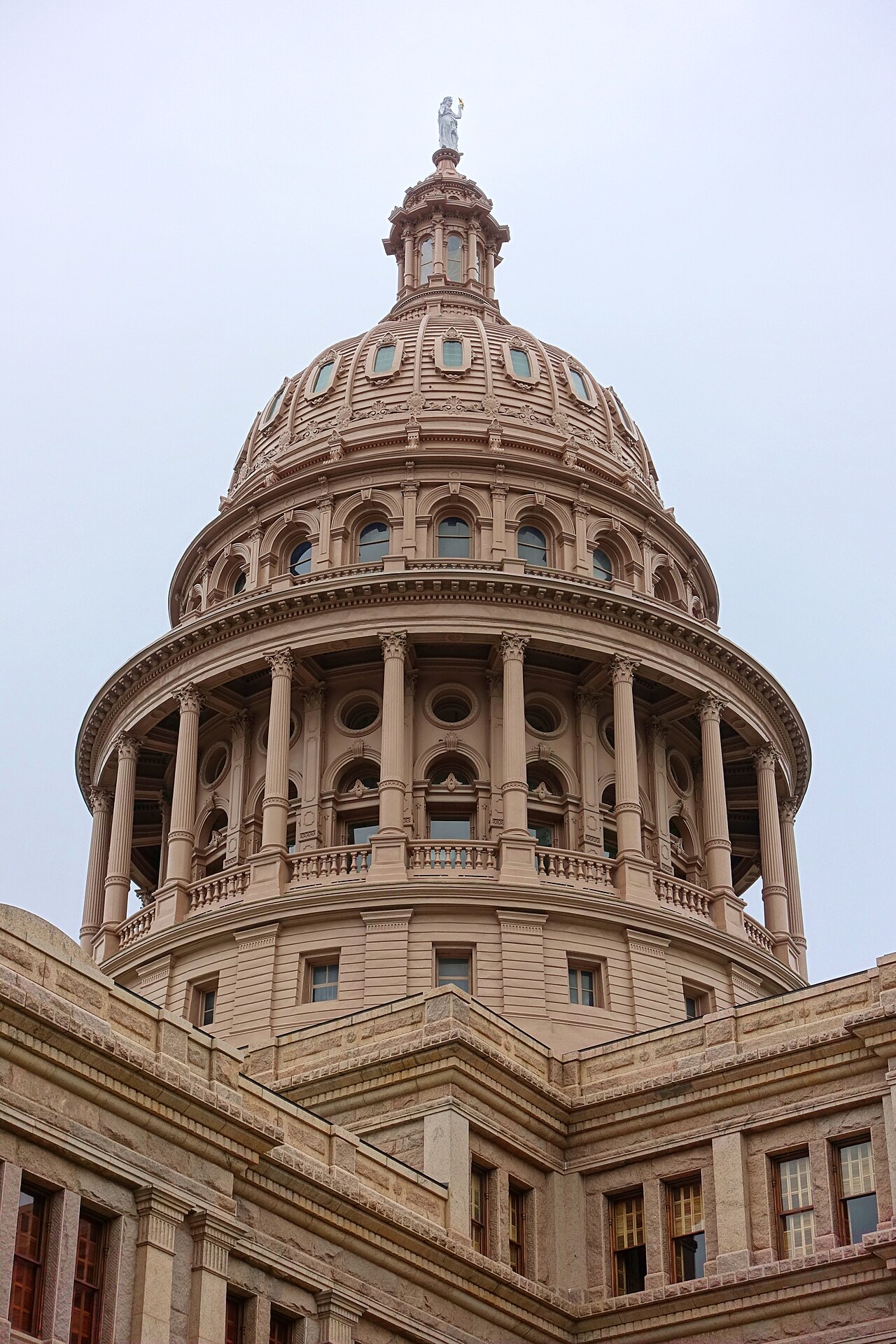
Big Bend Is Texas's Signature Wilderness, and Fall Is Its Season
The national park in the Rio Grande's great bend is Texas's signature wilderness — and a fall-to-spring pilgrimage for desert travelers across the state.
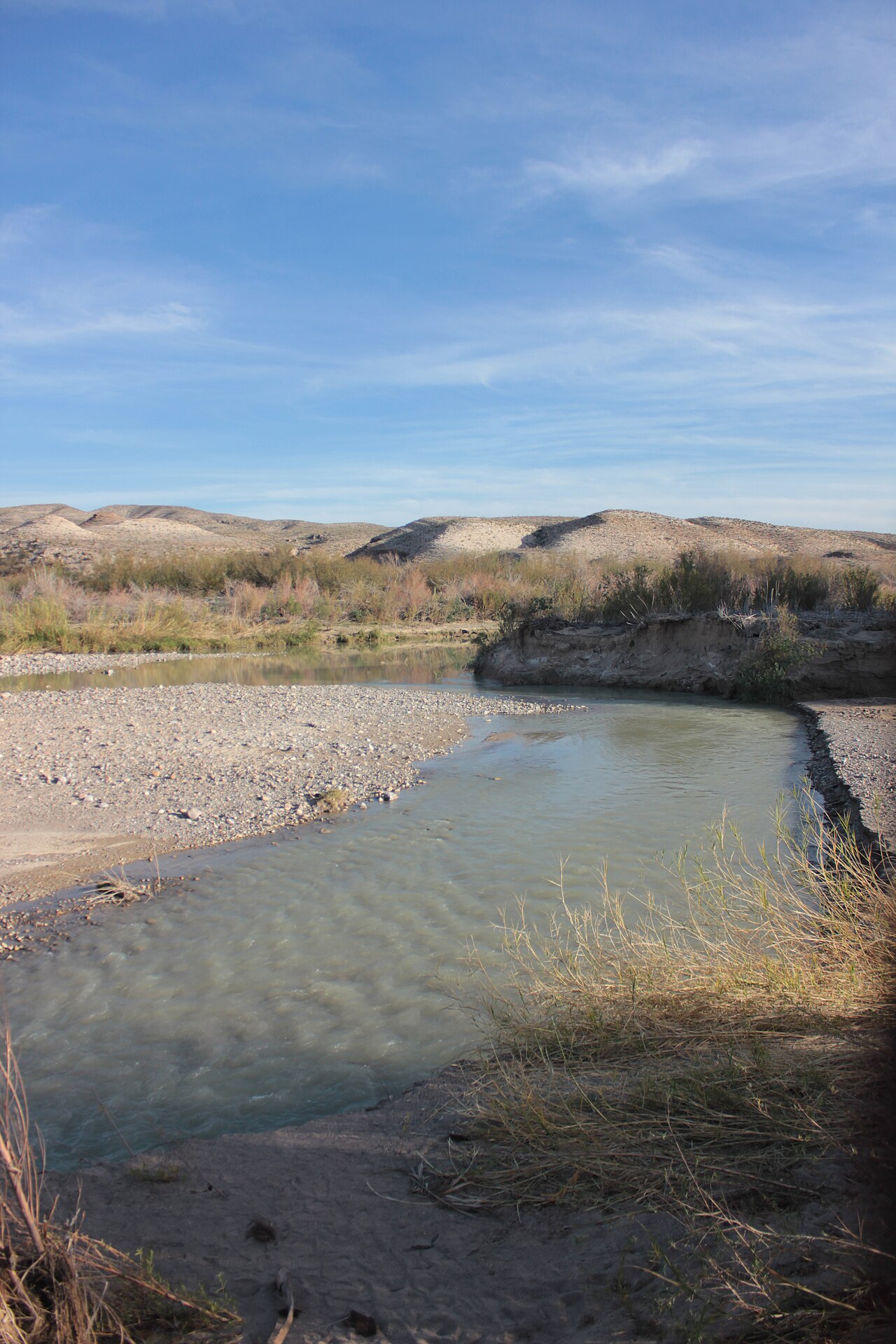
Big Bend National Park, in the great bend of the Rio Grande in West Texas, is the best-known of Texas's national lands — a landscape of desert basins, river canyons, and the Chisos Mountains rising in the middle. For El Pasoans, it is the region's marquee road trip: remote, enormous, and unmistakably of the same desert world as home, only wilder and emptier.
The park protects hundreds of thousands of acres of Chihuahuan Desert, more than a hundred miles of the Rio Grande, and some of the darkest night skies in the continental United States, a quality recognized in its designation as an International Dark Sky Park. Visitors come for the Ross Maxwell Scenic Drive, the river roads, hot springs on the riverbank, and trails into canyons carved through limestone.
Fall through spring is the park's main season, when daytime temperatures suit hiking and the desert is at its most comfortable. Even then, Big Bend demands the desert traveler's discipline: fuel and services are sparse, distances are measured in hours, water must be carried in quantity, and weather can shift quickly between the river bottoms and the mountain basin.
The park also anchors a small constellation of Texas places worth knowing — Study Butte and Terlingua near its western entrance, Marathon and Alpine on the approach from the east, and the state lands of Big Bend Ranch State Park farther west along the river. Together they form the core of the Texas borderlands' public-land country.
Texans planning a first trip should start with the National Park Service's park information for road conditions, campground rules, and seasonal guidance. Big Bend is not a casual detour; it is a destination that rewards planning with some of the finest desert scenery in North America.