The El Paso Mission Trail Connects Three Centuries of Rio Grande History
Ysleta, Socorro, and San Elizario preserve more than three centuries of history along the Rio Grande — and the short drive between them is one of Texas's great heritage routes.
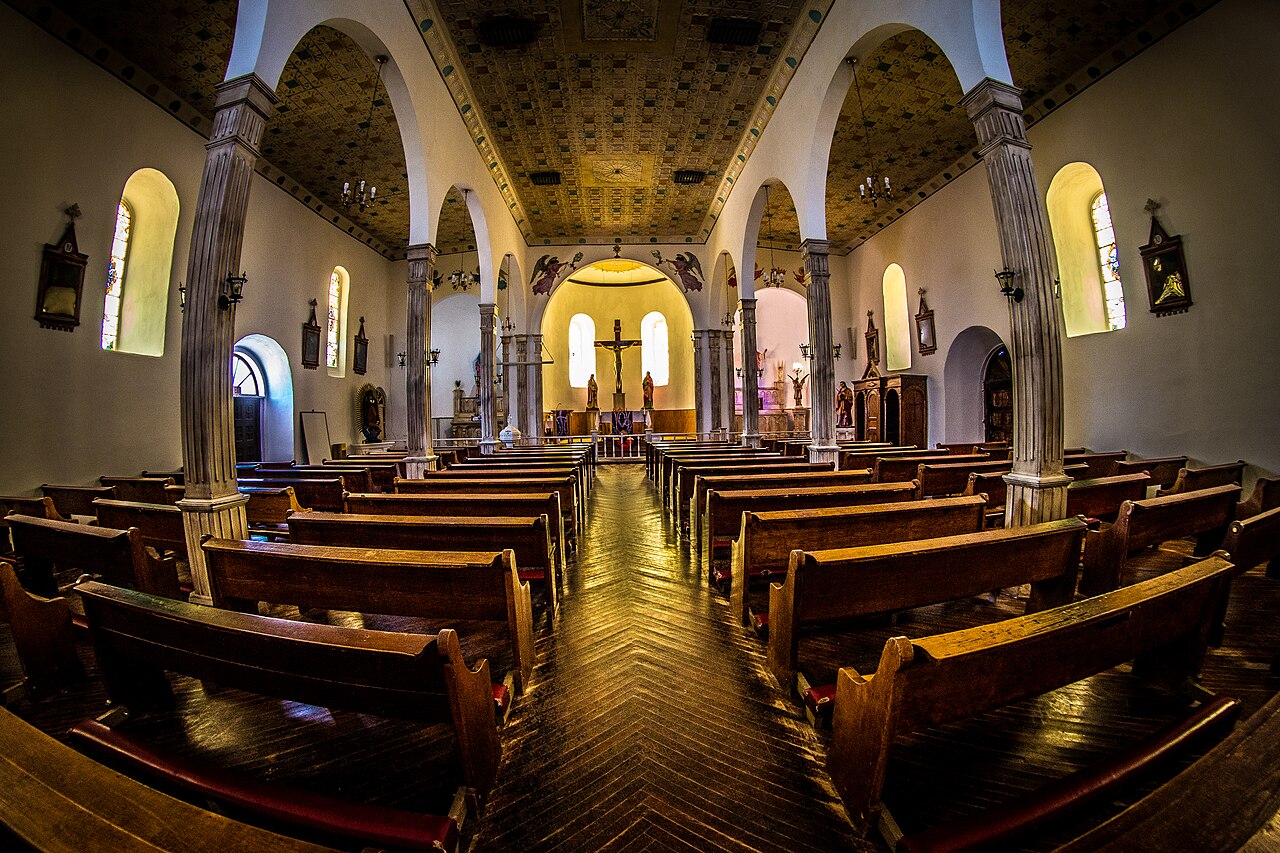
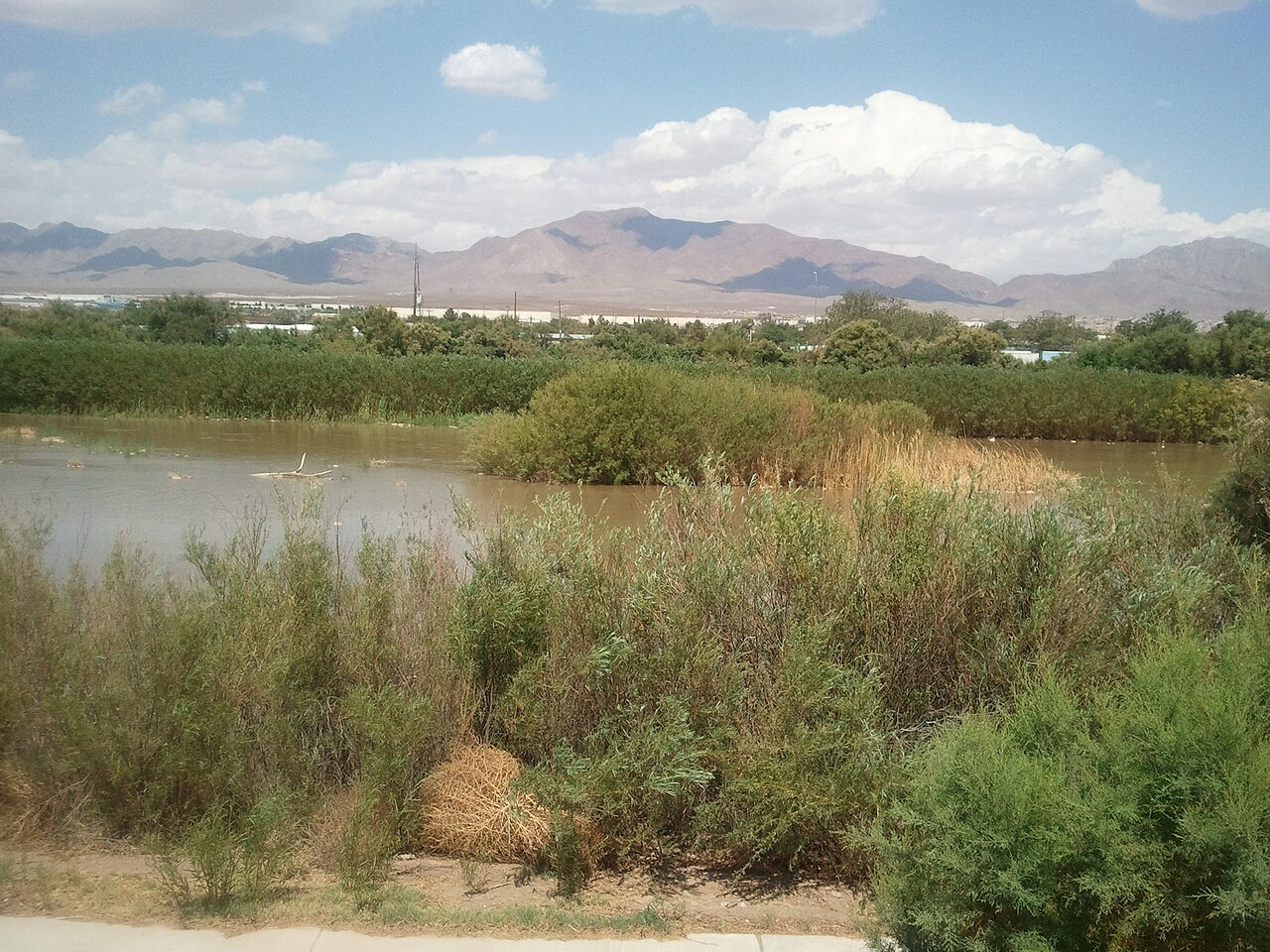
The El Paso Mission Trail links three of the oldest communities in Texas along a roughly nine-mile route through the Mission Valley, southeast of downtown. Its centerpieces are the Ysleta Mission, the Socorro Mission, and the San Elizario Presidio Chapel — Spanish colonial sites with roots in the seventeenth and eighteenth centuries that remain active parts of their communities today.
The Ysleta Mission, founded in 1682 by Spanish Franciscans and the Tigua people who had come south from New Mexico, is recognized as the oldest continuously operated parish in Texas. The mission stands within the Ysleta del Sur Pueblo, home of the Tigua community whose presence in the valley predates the city of El Paso itself.
Farther along the trail, the Socorro Mission serves the community of Socorro, and the presidio chapel anchors San Elizario, a town whose plaza and historic buildings preserve the feel of the Spanish and Mexican eras on the Rio Grande. Together, the three sites tell a continuous story: missions, presidios, farming villages, and river trade, layered over more than three centuries.
The trail is designed for a slow drive or a day of stops. Visitors move between the missions along local roads through the valley's farmland, with small museums, galleries, and eateries along the way in San Elizario's historic district. Masses and feast days at the missions are community events first, and visitors are guests at working parishes rather than museum pieces.
For El Pasoans, the Mission Trail is a reminder that their city is not a young border town but one of the oldest continuously settled landscapes in the United States. The valley's history runs deeper than the railroad, the interstate, or the international boundary itself.