
How to Read El Paso's Water Quality Report, the Public Record Behind Every Tap
El Paso Water's annual water quality report is a public document that lists what was tested, what was found, and how the results compare with the rules — if you know how to read it.
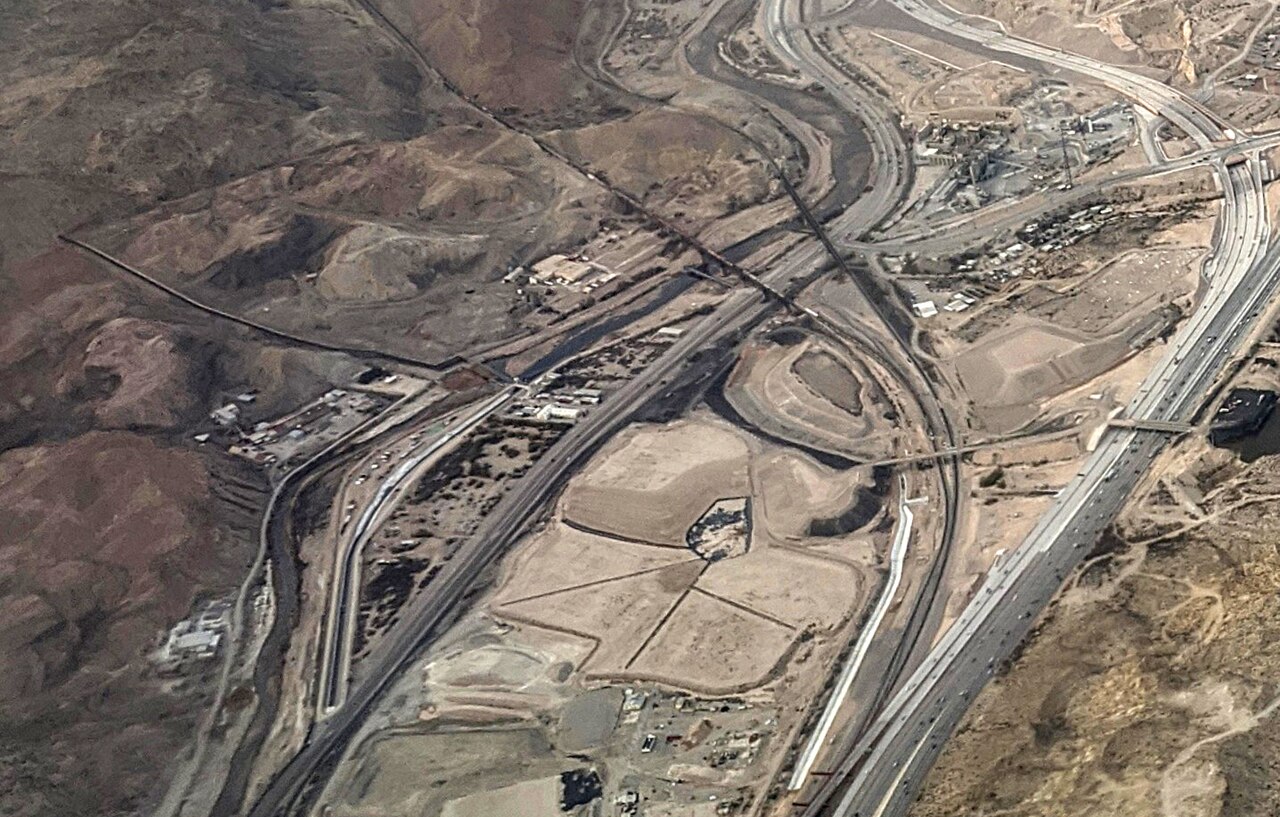
El Paso's drinking water comes overwhelmingly from two sources: the Rio Grande and the Hueco Bolson aquifer beneath the city. How that water is treated, tested, and reported is documented every year in the water quality reports published by El Paso Water, the public utility that supplies the city — documents any resident can read, and few do.
Federal and state law require public water systems to publish an annual consumer confidence report summarizing what was found in the water during testing: the substances monitored, the levels detected, and how those levels compare with regulatory standards. The reports also describe the water's sources and the treatment processes used, which in El Paso include river water treatment, groundwater wells, and one of the country's notable water-reuse and desalination operations for inland brackish groundwater.
Reading the report takes a little translation. Substances are measured in parts per million or parts per billion; the report lists both the maximum level allowed under the rules and the level actually detected; and a finding is reported for what testing found, not as a general verdict. The document separates regulated substances with enforceable limits from monitored substances reported for information, and it explains violations, if any occurred, in a dedicated section.
The same public-records principle extends beyond water. El Paso and Texas agencies publish restaurant inspection records, building permits, and open data that residents can search without filing any request, much of it through official city and state websites. These are the routine documents of accountability: unglamorous, public, and available to anyone willing to read them.
For readers who want to check for themselves, the path is direct: El Paso Water publishes its current and past water quality reports on its website, and the Texas Commission on Environmental Quality maintains statewide drinking-water data. The numbers belong to the public; the report is where they live.