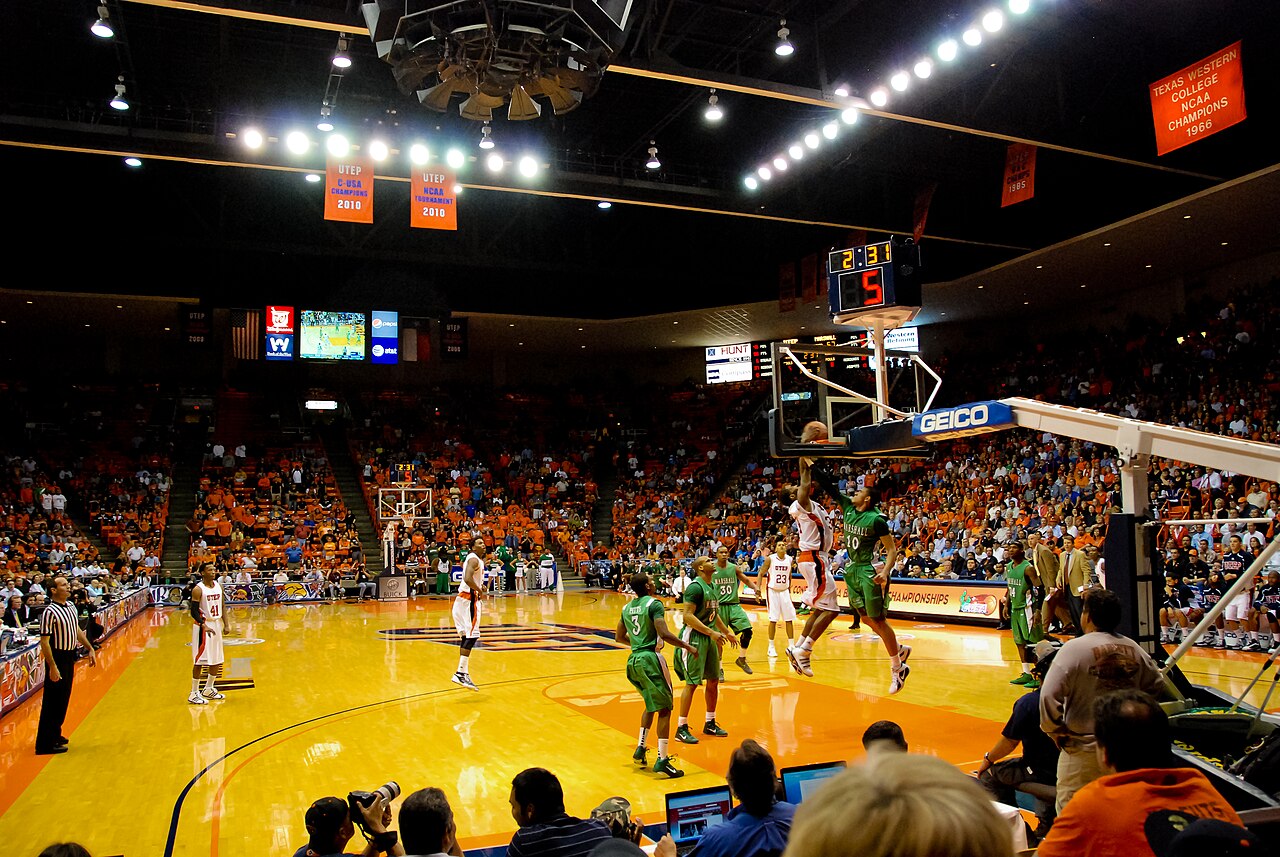
The Sun Bowl: A Stadium Built Into a Mountain, Home to the Miners and a December Tradition
Built into the Franklin Mountains in 1963, UTEP's home field hosts the Miners all fall and one of college football's oldest bowl games each December.
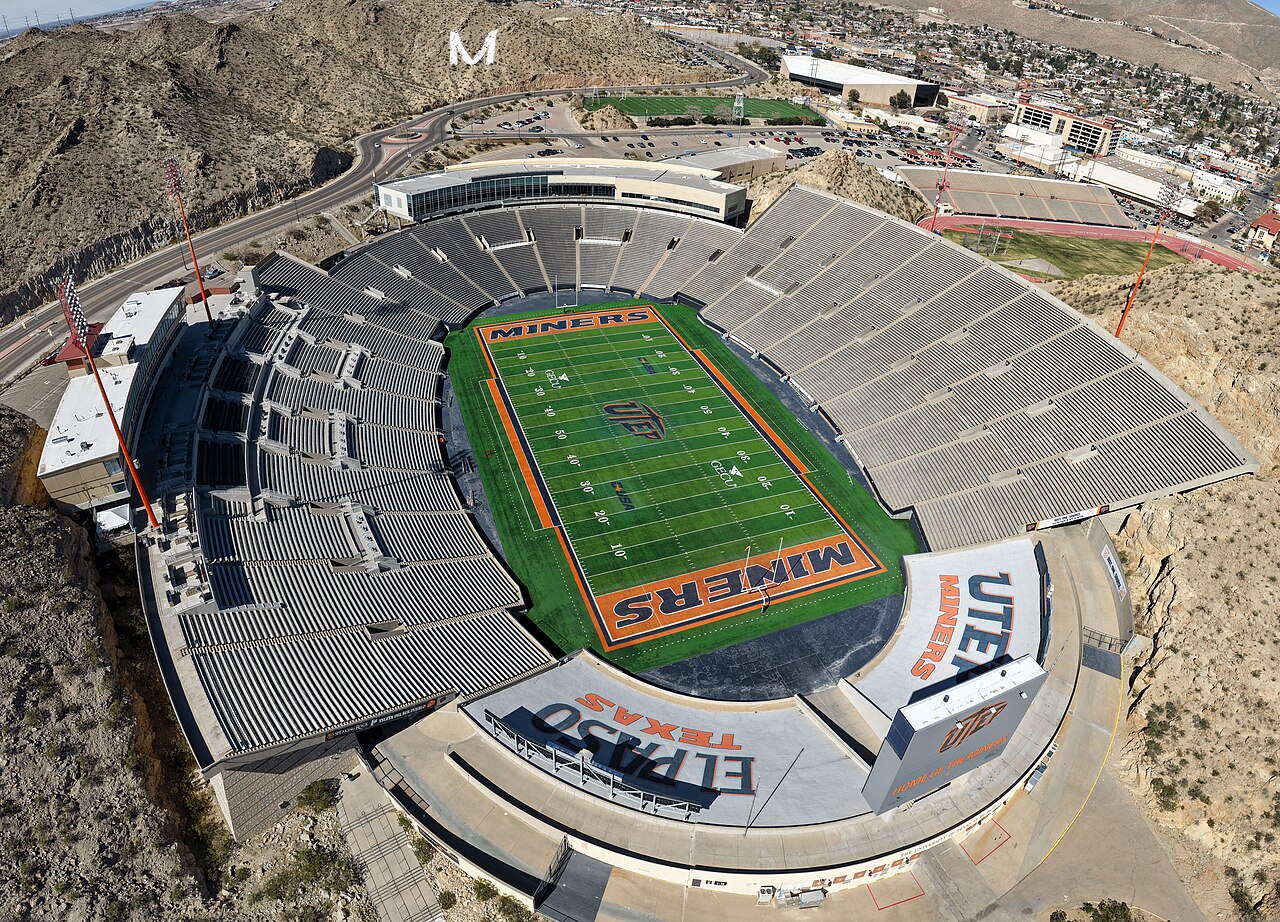
The Sun Bowl is one of college football's most distinctive stadiums, carved into the Franklin Mountains on the campus of the University of Texas at El Paso. Opened in 1963, the stadium seats the crowd in a bowl set directly into the mountain terrain, so that the rock of the Franklins forms part of the architecture and the desert is visible beyond the rim.
The stadium's name comes from the bowl game it was built to host. The Sun Bowl game, one of the oldest bowl games in college football, dates to the 1930s, and its modern edition brings a postseason matchup to El Paso each year around the end of December, drawing visiting fans to the city in the middle of the holiday season. The game is operated by the Sun Bowl Association, a civic organization that also runs a calendar of related community events.
For the UTEP Miners, the Sun Bowl is the home field, where the program has played since the stadium opened. Game days bring tailgating on the surrounding campus lots and streets, the Miner band and spirit squads, and one of the sport's great settings for an evening kickoff, with the mountains shading the field before sunset.
The stadium's location also makes it a campus landmark in the everyday sense: visible from surrounding streets, embedded in the university's Bhutanese-influenced architecture and mountain terrain, and familiar to anyone who has attended an event, a graduation weekend, or a December bowl trip in El Paso.
Schedules, tickets, and game-day information for both UTEP football and the bowl game are published by UTEP Athletics and the Sun Bowl Association. In a city that measures its landmarks in mountains, the Sun Bowl's distinction is that it was built into one.